

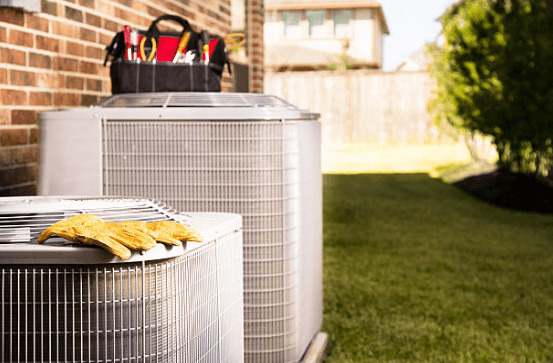
If you’re a Florida homeowner, your air conditioner is a lifeline. With rising heat indexes, longer summers, and higher humidity levels than ever, many homeowners are asking the same question:
“What is the average lifespan of an air conditioner in Florida today?”
Across the U.S., most modern central air conditioners last 15-20 years.
But in Florida, where systems run nearly year-round, the average lifespan can be much shorter at typically 8-14 years.
Why the difference? And what can you do to make your AC last longer?
This updated guide breaks down everything Florida homeowners need to know.
Average Lifespan of AC Units in Florida
Most HVAC professionals agree that Florida climates shorten AC life expectancy by 5–7 years compared to drier, cooler regions.
Why Florida AC units wear out faster:
Tropical humidity
Long cooling seasons—systems run 10+ months a year
Salt air corrosion (especially near the coast)
Sulfur and airborne particulates
Stronger, more frequent storms
Consistent high heat load on compressors
These environmental pressures cause coils, wiring, and internal metals to deteriorate at a faster rate than manufacturers intend, even on newer systems.
2025 Florida AC Lifespan Estimate:
8–14 years, depending on maintenance, usage, and proximity to the ocean.
Key Factors That Affect AC Life Expectancy
Today’s AC systems vary widely in durability. The most important lifespan factors include:
1. Manufacturer & Build Quality
Premium brands often use:
Anti-corrosion coatings
Heavier-gauge metal
Higher-SEER2 compressors
Budget systems may cost less upfront but degrade faster in Florida climates.
2. The Type of AC System You Have
Different systems age at different rates in Florida:
Central AC systems: 8–14 years
Heat pumps: 8–12 years
Ductless mini-splits: 10–15 years (great coastal durability)
Package units: 7–12 years (fully exposed outdoors)
3. Your System’s Size (Proper Sizing Matters!)
Oversized units short-cycle, wearing out compressors sooner.
Undersized units run constantly and burn out faster.
A properly sized system can add 3–5 years of extra life.
4. Maintenance Frequency
This is the biggest determining factor in lifespan.
Systems with annual professional tune-ups are proven to last much longer and require fewer major repairs.
5. Usage Levels
In Florida, daily AC run-time can reach:
8–12 hours/day in inland regions
12–18 hours/day near the coast
Heavy usage accelerates wear on compressors, coil fins, motors, capacitors, and refrigerant lines.
6. Environmental Conditions
Your exact location matters:
Coastal Homes: Salt air corrosion can reduce the lifespan to 7–10 years without protective coatings.
Inland Homes: Systems further from the coast typically last longer, around 10–14 years.
Homes Near Construction Zones: Dust + debris = coil clogs + airflow issues.
How to Make Your AC Last Longer in Florida
Even in harsh conditions, regular AC maintenance can add 3–7 extra years to your system’s lifespan.
Here’s what today’s HVAC pros recommend:
Essential AC Maintenance Tasks
Change Your Filter Every 30–45 Days: Clogged filters make your AC work harder, increasing energy usage and shortening its life.
Schedule Professional Tune-Ups Annually
Ideally:
Spring (cooling season prep)
Fall (post-summer inspection)
Modern tune-ups include:
Coil cleaning
Refrigerant level check
Electrical testing
System performance evaluation
Drain line flushing
Corrosion inspection
Keep the Outdoor Unit Clear
Remove:
Leaves
Mulch
Grass clippings
Storm debris
Maintain at least 2–3 feet of clearance around your condenser.
Check & Replace Insulation on Refrigerant Lines
UV exposure breaks down foam insulation, causing efficiency loss and strain on your compressor.
Protect the System From Florida’s Elements
For coastal areas especially:
Request anti-corrosion coil coatings
Invest in a surge protector
Install hurricane straps or a concrete pad upgrade
Signs Your Florida AC May Be Near the End of Its Lifespan
If your AC is 8–14 years old, watch for:
Frequent repairs
Rising energy bills
Uneven cooling
Burning or chemical smells
Excessive humidity indoors
Loud compressor noises
Short cycling
These symptoms often signal compressor or coil failure, two of the most expensive repairs.
When Does Replacing Your AC Make More Sense Than Repairing It?
Most experts recommend replacing the air conditioning system when:
The repair costs exceed 40–50% of a new unit
Your system uses outdated refrigerant (R-22)
The system is 10+ years old and inefficient
Your home’s humidity is consistently high
Replacing early often saves money on:
Lower utility bills
Fewer repairs
Better humidity control
Improved indoor air quality
Need an AC Tune-Up, Repair, or Replacement in South Florida?
Since 1995, Cousin’s Air, Inc. has been helping South Florida homeowners stay cool and comfortable—even through the toughest heat waves.
We proudly serve:
Palm Beach County
Broward County
Surrounding Florida communities
Our NATE-certified technicians provide honest recommendations, expert service, and superior care for your home.
Call (954) 228-5965 today to schedule your tune-up, AC repair, or replacement.