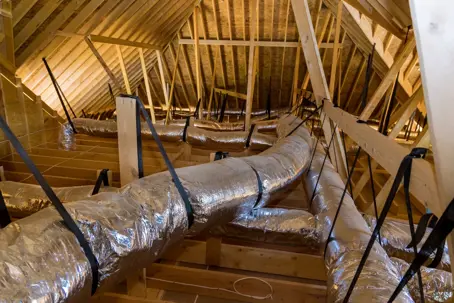
On the first truly muggy afternoon of the year, many South Florida homeowners notice the same thing: the AC runs non-stop, some rooms still feel stuffy, and a faint musty smell lingers around a few vents. You might chalk it up to Florida humidity, but those small signs often point to something happening inside your ductwork, not just with the air conditioner itself. Left alone, those issues can quietly drive up your bills and wear out your system faster.
In our climate, the ducts that move cool air through your home work harder and absorb more abuse than most people realize. They sit in scorching attics, surrounded by humid air, while ice-cold air passes through them almost every day of the year. That mix of heat, cold, and moisture creates a recipe for condensation, leaks, and dust buildup that affect both comfort and indoor air quality. A simple, seasonal approach to duct maintenance can keep small problems from turning into expensive surprises.
At Cousin's Air, Inc., we have been working on air conditioning systems and ductwork across Broward County and South Florida since 1995. Our NATE-certified technicians see the same patterns over and over again in local homes, and certain duct problems show up at predictable times of year. A few targeted checks each season can make a noticeable difference. Below, we share how South Florida’s climate affects your ducts and what to do in spring, summer, fall, and winter to keep air moving cleanly and efficiently through your home.
Why South Florida Ducts Need Seasonal Attention
In South Florida, your ductwork faces challenges most homeowners elsewhere rarely experience. Unlike in milder climates, ducts here are almost always in use, carrying chilled air through attics and cavities that can become intensely hot. This constant exposure to extreme temperatures and humidity can cause your duct system to wear differently than ducts in other parts of the country.
Over time, several issues can arise from this continuous strain:
- Air leaks at joints and connections – Temperature swings can cause small gaps, allowing hot, humid, unfiltered air to enter your system and forcing it to work harder.
- Increased indoor humidity – Moisture-laden air pulled into the system can push humidity levels up inside your home, making rooms feel sticky even when the thermostat is set correctly.
- Mold growth potential – Condensation inside ducts or on coils can encourage mold and mildew, impacting both indoor air quality and system efficiency.
- Insulation deterioration – High heat can flatten, tear, or shift duct insulation, leading to condensation and visible water stains around vents.
Many homeowners assume problems like humidity, poor airflow, or water stains are always caused by the air handler or outdoor unit. In reality, hidden ductwork is often the culprit. Our technicians are trained to evaluate the entire air distribution system, ensuring your home stays comfortable, efficient, and safe all year long.
Spring: Inspecting Ducts Before South Florida’s Peak Heat
Spring in South Florida is the calm before the real storm of heat and humidity. It is an ideal time to give your ducts some attention before your system runs flat out through summer and hurricane season. If you wait until July to think about ducts, you may already be living with leaks, sweating, and hot rooms that are much harder to correct in the middle of peak demand.
There are a few simple visual checks you can do yourself in spring. Inside the home, look closely at your supply vents and returns. Do you see dark, dusty streaks around the edges of vents where they meet the ceiling or wall. That can be a sign of air leaking around the boot, pulling dust and insulation particles along with it. Gently remove a vent cover or two and look for loose connections or visible gaps between the duct and the opening. If you have access to any duct runs in a closet, garage, or low attic, look for kinks, crushed spots, or sections of insulation that look thin or damaged.
Spring is also a good time to have a technician evaluate areas you cannot see. In many South Florida homes, the most problematic ducts run through tight attic spaces above hallways and bedrooms. We use our experience in Broward County and surrounding areas to focus on the places that fail most often, such as flex duct draped over framing, poorly supported runs that sag, and returns located near humid areas. During a spring AC tune-up, our team can include a duct assessment to spot loose connections, insulation issues, and early signs of sweating before the attic becomes dangerously hot to work in.
By addressing these issues in spring, you reduce the amount of hot, humid air your system pulls in when it starts working harder in May and June. That can mean fewer musty smells when you first turn the system on high, less strain on the blower, and a better chance that every room will feel like the temperature you set. It is much easier and more cost-effective to tighten up ducts and add insulation now than to chase comfort problems in the middle of a heat wave.
Summer: Why Do AC Ducts Sweat in South Florida Homes?
Summer is when South Florida humidity shows its full force. Your attic becomes extremely hot, outdoor air holds a lot of moisture, and your ducts stay cold inside for hours at a time. When you put a cold surface in a hot, humid environment, condensation is very likely unless the duct is well insulated and sealed. This is when we see the most sweating ducts and moisture-related complaints.
Condensation forms when the warm, moist attic air touches the outside of a cold duct and cools to its dew point. As the air cools, it can no longer hold as much water, and droplets form on the duct surface. If insulation is damaged or thin, this happens more easily. Those droplets can soak into insulation, drip onto drywall, or run along the duct to low spots. Homeowners notice this as dark circles around vents, faint water stains on ceilings, or even a drip during long cooling cycles. If moisture lingers, dust inside the ducts and on nearby surfaces becomes a food source for mold.
There are also clear warning signs inside the living space. A musty smell that appears when the AC first turns on, then fades, often points to damp dust or growth in parts of the duct system or on the coil. If a specific room always has that odor, it can be tied to one problematic run. In some homes, you may see visible moisture around supply vents or feel that the air from a particular vent seems clammy rather than crisp. These are signals that deserve attention, not just air fresheners.
Summer duct maintenance focuses on controlling that condensation. That can include repairing or replacing damaged duct insulation, especially in sections nearest the air handler where the air is coldest. It can also mean correcting airflow issues, because sluggish air sits in ducts longer and keeps them cold for extended periods. Our technicians look at the whole picture, including filter condition, coil cleanliness, and duct sizing, to see why certain areas are staying colder than they should. In some cases, a professional duct cleaning is appropriate, especially when odors and visible debris are present, but we always pair cleaning with moisture control strategies. Simply cleaning without stopping new condensation is a short-lived fix.
Because Cousin's Air, Inc. has designed and serviced systems built to withstand heavy use in Florida’s humid climate, we know which materials and approaches hold up in our conditions. Whether it is properly insulating a trunk line in a hot attic or sealing a critical joint that keeps sweating and mold from returning, our NATE-certified technicians match the solution to the reality of South Florida summers, not to a generic checklist written for drier climates.
Fall: How to Seal Leaky Ductwork and Improve AC Efficiency
Once the worst of the summer heat passes, your system gets a small break, but your ducts still see regular use. Fall is a good window to tackle leak detection and sealing, which improve both comfort and efficiency. In many homes around Broward County and Palm Beach, ducts installed years ago were never fully sealed, and age has opened gaps that waste a surprising amount of cooled air.
A leaky supply duct lets cooled air escape into attics or wall cavities instead of into your rooms. A leaky return duct can be even more damaging. When the blower runs, a return leak can pull in hot, humid, dusty air from the spaces around it. That extra heat and moisture load makes your system work harder, and all that unfiltered air carries particles straight into the coil and supply ducts. You may notice this as certain rooms that never quite cool down, dust that seems to reappear quickly, or whistling sounds around vents when the system kicks on.
Professional duct sealing goes beyond putting tape on whatever looks loose. In our climate, common cloth duct tape usually does not last in hot, humid attics. Technicians rely on mastics and UL-listed tapes designed for HVAC applications that stay adhered under high heat and moisture. A proper sealing job starts with identifying where the air is actually leaking, often using tools and techniques that reveal pressure differences and problem spots. We pay special attention to connections at the air handler, branch takeoffs, and boots at ceiling registers, because these are repeat offenders in South Florida homes.
Fall is a practical time for this work because attics are slightly more tolerable, and the system is not under the same constant demand as in July or August. That means we can spend the time needed to properly access, seal, and reinsulate without rushing to get your system back on during the hottest part of the day. After serving this region since 1995, we can often predict where leaks are most likely in homes built during certain years or with particular layouts, which makes our work more targeted and effective.
Winter: Should You Clean or Replace Your Ducts?
Winter in South Florida is softer on your AC, but that does not mean your ducts are off duty. The lighter cooling load makes this season a good time to tackle deeper duct work and plan larger improvements that are harder to schedule in the peak of summer. If you have been living with musty odors, heavy dust, or uneven rooms, winter is often when homeowners finally decide to address those lingering issues.
Duct cleaning can be valuable in certain situations, but it is not something every home needs on a fixed schedule. In South Florida, we typically consider cleaning when there are strong, persistent odors at specific vents, visible buildup at supply openings, recent construction or remodeling that might have filled ducts with debris, or ongoing allergy complaints that seem tied to AC operation. A proper cleaning involves accessing the interior of the ducts, agitating and removing debris, and handling the system components that interact with that air, not just spraying something into the vents from the room side.
Winter is also a practical time to look at whether certain ducts need more than cleaning. Older homes sometimes have severely kinked, undersized, or overly long flex duct runs that no amount of sealing or cleaning can fix. If a bedroom has always been uncomfortable or a particular branch line has multiple sharp bends, rerouting or replacing that section may be the real solution. Because the AC is not under constant strain during winter, we can spend more time planning and carrying out these larger projects with less disruption to your comfort.
These bigger upgrades are an investment, especially when combined with other system improvements. To make them more manageable, Cousin's Air, Inc. works with reputable partners to offer financing options that fit different budgets. We also stand by our work with strong warranties and carry full insurance, so when you commit to a duct upgrade in winter, you can feel more confident that the improvements are built for the long term in our demanding climate.
AC Duct Maintenance: What Homeowners Can Do vs. When to Call a Pro
Many homeowners want to do what they can on their own before calling for service. That makes sense, as long as you know where the line is between safe DIY checks and work that really needs a trained eye and the right materials. Understanding that line can save you time, money, and frustration.
On the homeowner side, consistent filter changes are the simplest and most powerful step you can take. A clogged filter chokes airflow, increases resistance in the ducts, and can contribute to moisture problems and leaks getting worse. You can also remove and gently clean supply and return grilles, keeping an eye out for unusual buildup or signs of moisture. A couple of times a year, walk through your home while the AC is running and note any vents that sound different, blow weaker air, or produce odors. If you can safely access any visible ducts in a garage or low attic, look for obvious damage such as crushed flex duct, torn insulation, or loose hanging sections.
Beyond that, most meaningful duct work in South Florida should be handled by trained technicians. Applying the wrong kind of tape in a hot attic often means it will peel away within months, leaving you with a leak that is worse than before. Spraying chemicals or deodorants into vents without addressing moisture sources can mask symptoms while allowing mold to continue growing in hidden areas. Internal inspections, pressure testing, sealing hidden joints, and safely addressing any suspected mold or water damage require tools, supplies, and protective practices that go beyond normal home maintenance.
Our team at Cousin's Air, Inc. includes NATE-certified technicians who spend their days spotting the problems the average homeowner cannot see. We focus on recommending work that genuinely improves comfort, air distribution, and equipment performance, rather than pushing services you do not need. If your own checks turn up worrying signs like stains, recurring odors, or rooms that never match the thermostat, you can call us for a more thorough evaluation. We are available for same-day appointments, weekends, and 24/7 emergency service when something cannot wait.
Simple Year-Round AC Duct Maintenance Checklist for South Florida Homes
Keeping your ducts in top shape doesn’t have to be complicated. A simple, season-by-season plan helps you catch small issues early, schedule professional attention at the right times, and maintain consistent comfort in South Florida’s demanding climate.
Seasonal Duct Care
- Spring – Inspection:
- Check vents for dust streaks or looseness.
- Listen for new noises when the system runs.
- Schedule your AC tune-up and request a duct review.
- Summer – Moisture Awareness:
- Watch for stains near vents or sweating on visible ducts.
- Notice any musty odors or clammy air and call a technician promptly.
- Fall – Efficiency Focus:
- Consider duct sealing for uneven temperatures or high energy bills.
- Address insulation issues on any exposed ductwork.
- Winter – Deeper Maintenance:
- Plan duct cleaning if signs of buildup exist.
- Discuss larger projects, like rerouting or replacement, when the system is under less strain.
Throughout the year, homeowners can handle simple checks and filter changes, while our NATE-certified technicians take care of in-depth evaluations, repairs, and professional maintenance. We can even review this plan in Spanish to ensure every detail is clear and actionable.
By following a simple, year-round schedule tailored to South Florida, you’ll keep your ducts supporting cleaner air, more consistent temperatures, and a smoother-running AC system, rather than quietly causing problems behind the scenes.
Frequently Asked Questions About AC Ducts in South Florida
How do I know if my ductwork is leaking?
Common signs include uneven temperatures between rooms, weak airflow from certain vents, higher energy bills, or dust collecting quickly around registers. Leaks are often hidden in attics or behind walls, so a professional inspection is usually needed to confirm.
When should I replace my ductwork instead of repairing it?
Replacement may be the better option if your ducts are older, severely damaged, poorly designed, or have ongoing airflow issues that repairs haven’t fixed. Homes with consistently uncomfortable rooms often benefit more from targeted duct replacement than repeated repairs.
Can I seal my air ducts myself?
You can seal small, visible gaps near vents, but most duct leaks occur in hard-to-reach areas. Professional sealing uses specialized materials that hold up in South Florida’s heat and humidity, making it a more reliable long-term solution.
How often should air ducts be cleaned in South Florida?
Duct cleaning isn’t needed on a set schedule. It’s typically recommended if you notice visible debris, recent construction dust, persistent odors, or allergy symptoms that seem tied to your AC system.
What are signs my ductwork needs professional attention?
Look for issues like rooms that never cool properly, unusual airflow changes, rising energy bills, or ongoing comfort problems that don’t improve with normal AC maintenance.
Plan Your South Florida Duct Maintenance with Cousin's Air, Inc.
Seasonal duct maintenance is one of the most effective ways to protect your comfort and your air conditioning investment in South Florida. When your ducts are sealed, insulated, and dry, your system does not have to fight against hidden leaks or excess moisture, and every room is more likely to feel the way you expect. A thoughtful year-round plan turns what feels like a complex problem into a series of small, manageable steps.
If you are noticing musty smells, sweating ducts, or rooms that never seem quite right, we can help you figure out what is really going on inside your ductwork. We can fold a duct evaluation into your next AC service or schedule a dedicated visit, often with very prompt timing, to assess and address the issues you are seeing. For larger projects, we offer financing options and strong warranties so you can move forward with more confidence.
To discuss your seasonal duct maintenance in South Florida or set up a visit, contact Cousin's Air, Inc. today.